The rise of smart homes, connected devices, and wearables has redefined how we live, work, and monitor our health. At the center of this revolution are web apps, acting as the bridge between users and their devices. Whether it’s controlling your smart thermostat remotely or tracking your daily steps through a smartwatch, web apps ensure seamless connectivity and usability.
The Role of Web Apps in Smart Living
Web apps serve as control hubs, letting users manage multiple IoT devices from anywhere. Unlike traditional apps, web apps don’t require constant updates or large downloads—they run smoothly in browsers and sync data in real time.
For example:
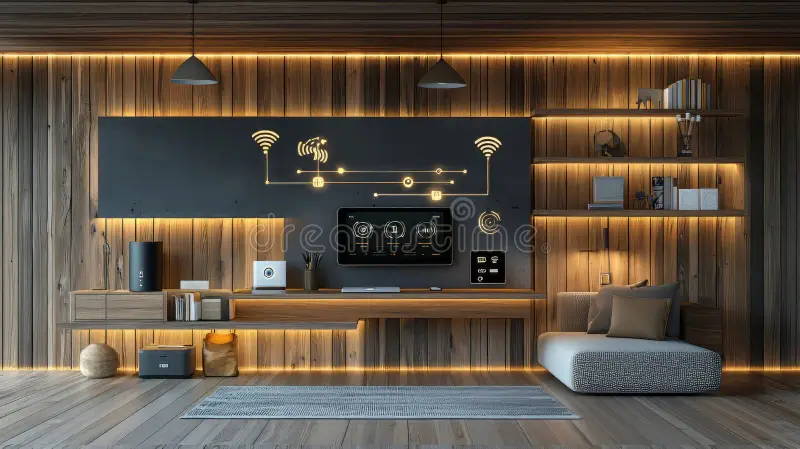
- A smart home app can control lights, locks, and security cameras through a single dashboard.
- A fitness tracking web app can analyze data from wearables like Fitbit or Apple Watch, providing real-time health insights.
👉 Want to explore more innovative apps? Visit our AppsThunder Web Apps section for the latest reviews and tools.
Benefits of Web Apps in IoT and Wearables
1. Seamless Connectivity
Web apps connect IoT ecosystems by integrating devices from different brands into one interface.
2. Accessibility Anywhere
Because web apps are browser-based, users can access their smart devices across platforms—desktop, tablet, or mobile.
3. Real-Time Data Insights
Wearables like Fitbit and Apple Watch push instant updates to web dashboards, helping users monitor their health more effectively.
4. Cost-Effective for Developers
Developers can build progressive web apps (PWAs) that work across devices without maintaining multiple versions.For deeper insights, check Google’s official guide on Progressive Web Apps and Microsoft’s resource on PWAs in Windows.
Popular Examples of Web Apps in Smart Living
- Google Home Web App – Control Nest thermostats, security cameras, and speakers via a single dashboard (Google Home).
- Fitbit Dashboard – Provides health analytics and syncs with smartwatches (Fitbit).
- Samsung SmartThings – Manages appliances, lighting, and sensors across brands (Samsung SmartThings).
💡 Related reading: Learn about app innovations in our Web Apps category.
Challenges of Web Apps in IoT Integration
Despite the benefits, web apps face some hurdles:
- Security risks – IoT devices can be vulnerable to hacking if apps lack encryption.
- Compatibility issues – Some devices work only within their brand ecosystem.
- Dependence on connectivity – Poor internet speeds can disrupt smart home functions.
For more, check Cisco’s article on IoT security challenge.
The Future of Smart Living with Web Apps
As technology evolves, web apps will continue to make smart living more personalized, secure, and data-driven. AI integration will bring predictive health tracking, automated energy savings, and smarter home management.
👉 Curious about more future-ready apps? Check our latest reviews on AppsThunder.
FAQs
1. What role do web apps play in smart homes?
Web apps act as centralized dashboards, allowing users to control lighting, appliances, and security devices through a single interface.
2. How do web apps improve wearable device usability?
They provide detailed health analytics, syncing real-time data from wearables like Fitbit or Apple Watch to track fitness, sleep, and heart health.
3. Are web apps better than mobile apps for IoT?
Web apps offer cross-platform accessibility and require no downloads, making them more flexible than traditional apps.
4. What are the main challenges of web apps in IoT?
The biggest challenges include data privacy risks, device compatibility, and internet dependency.
5. What are examples of web apps used in smart living?
Examples include Google Home, Fitbit Dashboard, and Samsung SmartThings, all of which integrate multiple devices into one system.