
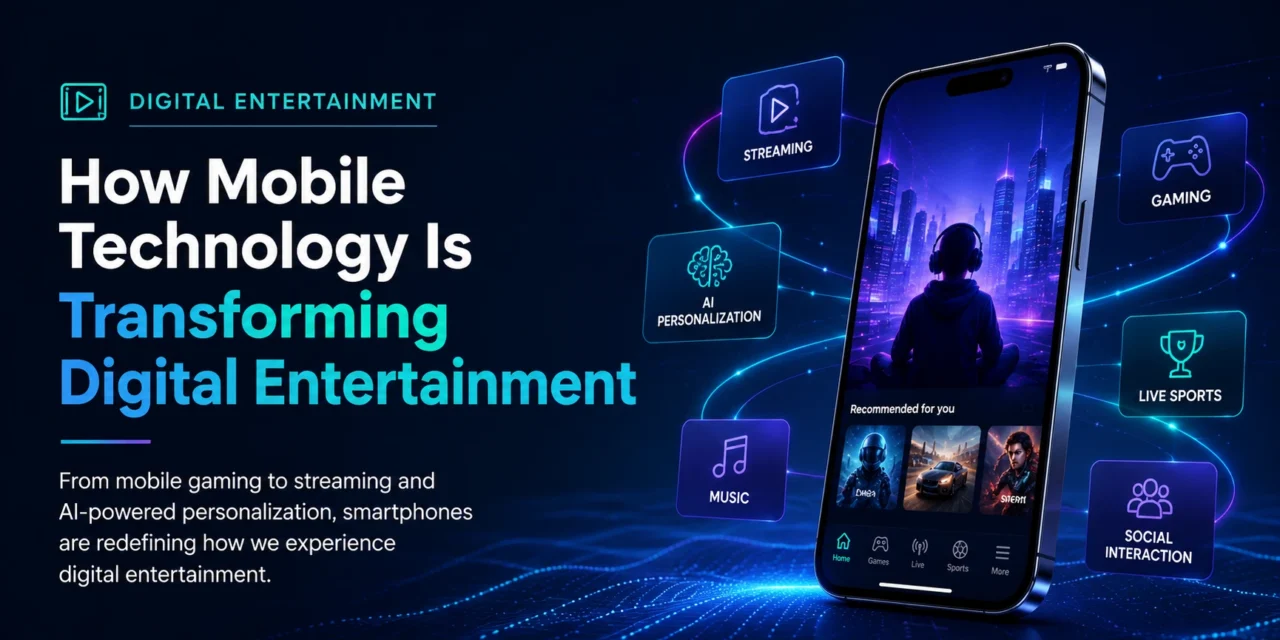
Smartphones have changed the way people work, communicate, shop, and consume entertainment. What once required a desktop computer or a visit to a physical location can now be accessed through a mobile device in just a few taps. This shift has also transformed the digital entertainment industry, where convenience, responsive design, and engaging user experiences have become increasingly important.
From streaming services and mobile games to interactive web platforms, today’s users expect entertainment products to be fast, intuitive, and accessible across different devices.
The Rise of Mobile-First Entertainment
Mobile-first design is no longer simply an option for digital entertainment providers. It has become a fundamental part of product development.
Users typically want to access their favorite entertainment without complicated installations or lengthy setup processes. Responsive websites and mobile applications allow companies to deliver experiences that adapt to different screen sizes while maintaining simple navigation.
This approach is particularly relevant to online gaming. Players can access everything from casual games to interactive casino experiences through smartphones and tablets, making digital entertainment much less dependent on a traditional desktop environment.
Why User Experience Matters
A successful entertainment platform is about more than the content it provides. The overall user experience can have a major influence on whether people continue using it.
Several elements contribute to a strong mobile experience:
- Simple navigation: Users should be able to find the content they want quickly.
- Fast loading: Slow pages can discourage users from continuing.
- Responsive design: Interfaces need to work properly on smartphones, tablets, and desktops.
- Clear account management: Registration, login, and account controls should be straightforward.
- Reliable performance: Users expect platforms to remain stable even during periods of high traffic.
- Security: Personal and payment information needs appropriate protection.
These principles apply across almost every category of digital entertainment.
Online Gaming Moves Further Into Mobile
Online gaming is one area where the advantages of mobile technology are particularly noticeable. Modern platforms can offer a wide selection of games through responsive websites and dedicated applications, allowing users to access entertainment while away from their computers.
Sports betting and online casino platforms have also adopted mobile-first experiences. Users can browse markets, explore games, manage accounts, and interact with digital entertainment services from compatible mobile devices.
For example, platforms such as NetBet demonstrate how established online gaming brands can provide a digital environment designed around convenient access. For users interested in online gaming, the combination of mobile accessibility and a broad selection of entertainment options can make the overall experience more convenient.
However, convenience should always be balanced with responsible use. Users should understand the applicable local regulations, check the terms and conditions of a platform, and only participate where online gaming is legally available to them.
Web Apps vs. Traditional Downloads
Another important development is the growth of web applications. Users do not always need to download a dedicated application to access a sophisticated digital service.
Progressive web technologies allow websites to provide increasingly app-like experiences while retaining the accessibility of the web. This can reduce installation barriers and make services available across a wider range of devices.
For entertainment companies, web-based experiences can also make it easier to introduce updates without requiring users to manually download a new version of an application.
That flexibility is particularly useful for platforms that need to update content frequently, including games, streaming services, sports platforms, and other interactive products.
Personalization Is Becoming More Important
Modern digital entertainment platforms increasingly use personalization to make experiences more relevant to individual users.
Recommendation systems can analyze interactions and preferences to suggest content that may be more interesting to a particular user. Streaming platforms use similar approaches to recommend movies and shows, while gaming platforms can organize games and features around user behavior.
As artificial intelligence and machine learning technologies continue developing, personalization is likely to become even more sophisticated. The challenge for developers will be creating useful recommendations without making users feel that their privacy has been compromised.
Transparency and responsible data practices will therefore remain important components of successful digital products.
Security and Responsible Design
As entertainment moves further onto smartphones, security becomes increasingly important. Users may create accounts, provide personal information, or use payment services through digital platforms.
Developers and service providers need to prioritize secure authentication, data protection, and clear privacy policies. Users, meanwhile, should choose reputable services and take basic precautions such as using strong passwords and avoiding suspicious links.
Responsible design also extends beyond cybersecurity. Entertainment platforms should provide users with appropriate controls and information so they can manage their activity effectively.
What Comes Next for Digital Entertainment?
The future of entertainment is likely to become even more connected to mobile technology. Faster networks, improved smartphone hardware, cloud computing, artificial intelligence, and progressive web technologies are creating new opportunities for developers.
We can expect digital products to become increasingly personalized and interactive while reducing the distinction between traditional websites and applications.
For consumers, the biggest benefit is choice. Whether someone wants to watch a video, play a mobile game, follow live sports, or explore online gaming, the smartphone increasingly acts as a single gateway to a huge digital entertainment ecosystem.
Ultimately, the most successful platforms will be those that combine engaging content with strong technology, intuitive design, security, and responsible user experiences. Mobile technology has already reshaped digital entertainment—and its influence is only likely to grow.