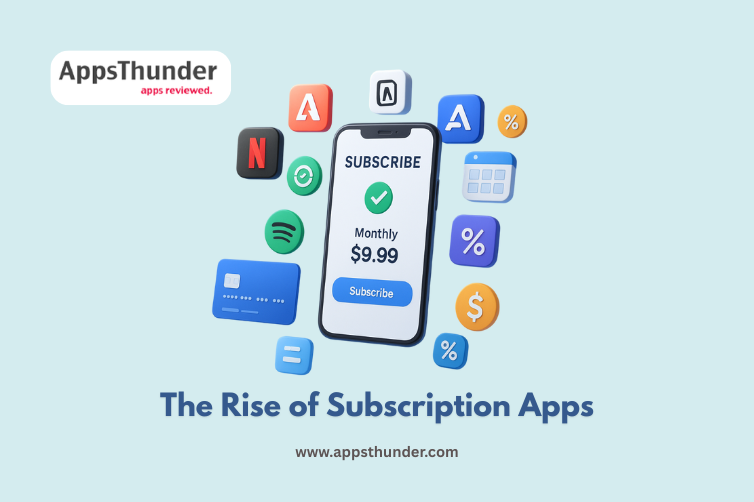
In recent years, the subscription model has taken over the app industry. Instead of one-time purchases, users are now asked to pay monthly or yearly fees for continuous access to features, updates, and premium services.
Whether it’s Netflix for entertainment, Spotify for music, or Notion for productivity, subscription apps are everywhere. But the big question remains—are subscription apps worth it in 2025?
👉 For more insights on app trends, check our General Apps Category for reviews and updates.
📌 Why Are Subscription Apps So Popular?
Subscription apps offer developers steady revenue and give users ongoing updates. According to Statista, the subscription app market is expected to surpass $300 billion by 2025.
Here are some reasons for their rise:
- Constant Updates – Regular improvements and new features.
- Lower Entry Costs – Pay monthly instead of a big upfront fee.
- Flexibility – Cancel anytime without long-term commitment.
- Cloud Integration – Sync data across devices.
Apps like Spotify and Netflix have built entire business empires on this model.
✅ Pros of Subscription Apps
- Affordable Access – Instead of paying $100 upfront, you might pay $10/month.
- Always Up-to-Date – No need to buy new versions.
- Premium Features – Unlock advanced tools otherwise unavailable in free versions.
- Trial Options – Most apps offer free trials before committing.
⚠️ Cons of Subscription Apps
- Cost Adds Up – Multiple subscriptions can exceed $100/month.
- Over-Reliance – Lose access if you stop paying.
- Hidden Fees – Some apps charge extra for premium add-ons.
- Subscription Fatigue – Too many apps competing for your wallet.
A report from TechCrunch suggests that users often cancel subscriptions after realizing the long-term cost outweighs the benefits.
💡 Are They Worth It?
The value of a subscription app depends on how often you use it. If you use Netflix daily, it’s worth it. But if you only open a premium photo editor once a month, a one-time purchase might be smarter.
Apps like Notion and Adobe Creative Cloud prove valuable for professionals who rely on them daily.
📝 Tips for Managing App Subscriptions
- Review all subscriptions monthly.
- Cancel unused apps to save money.
- Opt for annual plans if you’re a frequent user (often cheaper).
- Use Google Play or Apple App Store to manage subscriptions easily.
🔑 Conclusion
Subscription apps are here to stay, but they’re not always worth it for everyone. The trick is to evaluate your usage vs. cost. If the app adds daily value—go for it. If not, cancel and save your money.
👉 Discover more app reviews and guides on our AppsMirror Reviews page.
❓ FAQs
1. Why are so many apps moving to subscription models?
Because subscriptions provide developers with steady income and allow them to offer ongoing updates and improvements.
2. Which subscription apps are most popular in 2025?
Streaming apps like Netflix and Spotify, plus productivity apps like Notion and Adobe Creative Cloud.
3. How can I avoid wasting money on subscription apps?
Regularly review your subscriptions and cancel apps you rarely use. Check your Google Play or Apple App Store settings to manage payments.
4. Are subscription apps better than free apps?
Not always. Free apps often cover basic needs, but subscription apps provide advanced features, customer support, and regular updates.
5. Is it cheaper to buy lifetime access instead of subscribing?
Yes—if available, lifetime purchases may be cheaper long-term, especially for tools you’ll use for years.