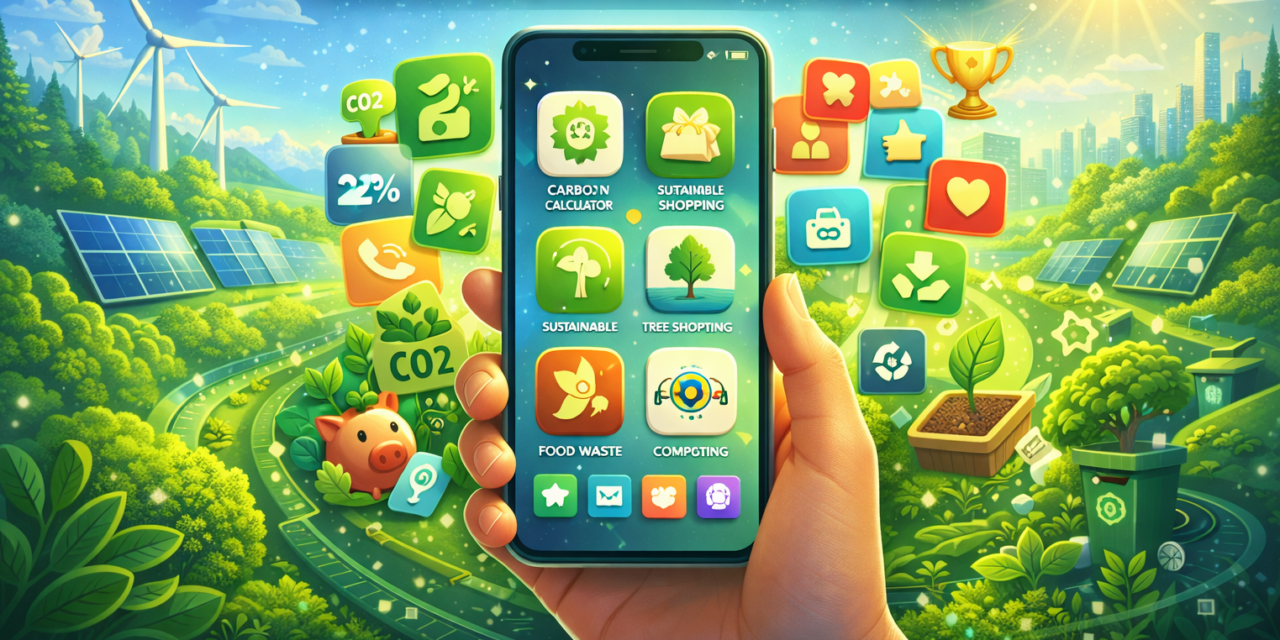
The climate crisis has driven unprecedented demand for sustainability apps in 2026, with eco-conscious consumers seeking tools to measure, reduce, and offset their environmental impact. The global green technology market reached $36 billion as individuals recognize personal responsibility in addressing climate change. From carbon footprint calculators to sustainable shopping guides, zero-waste trackers to renewable energy management, sustainability apps empower millions to make environmentally conscious decisions daily. Studies show app users reduce their carbon footprint by average 23% within first year through behavior changes prompted by tracking and education. As climate anxiety affects 72% of young adults, these apps provide actionable solutions transforming worry into positive environmental impact.
🌍 Why Sustainability Apps Matter in 2026
Traditional environmental activism felt abstract and overwhelming—individual actions seemed insignificant against global crisis. Sustainability apps solve this problem by quantifying personal impact, gamifying eco-friendly behaviors, and connecting individual actions to measurable outcomes. They answer the question “What can I actually do?” with specific, trackable actions integrated into daily life. The apps also address greenwashing by providing verified information about products and companies, helping consumers support genuinely sustainable businesses rather than marketing claims.
📱 Top Sustainability and Eco Apps for 2026
1. JouleBug – Gamified Sustainability
JouleBug turns sustainable living into engaging game, rewarding eco-friendly actions with points, badges, and community challenges.
Key Features:
- Track sustainable actions daily
- Earn points and unlock badges
- Community challenges and competitions
- Impact visualization (CO2 saved, water conserved)
- Tips for sustainable living
- Connect with friends for motivation
- Company/organization group features
Actions Tracked: Transportation choices, energy use, water conservation, recycling, sustainable eating, shopping decisions
Best For: Gamification lovers, community motivation, beginners
2. Oroeco – Carbon Footprint Tracking
Oroeco provides detailed carbon footprint tracking linked to spending, helping users understand environmental impact of purchasing decisions.
Key Features:
- Automatic carbon tracking from credit cards
- Spending impact analysis
- Product sustainability ratings
- Carbon offset marketplace
- Goal setting and progress tracking
- Comparison with friends and averages
- Personalized reduction recommendations
Unique Approach: Links financial transactions to environmental impact, showing how spending choices affect climate.
Best For: Data-driven users, comprehensive tracking, financial connection
3. Good On You – Sustainable Fashion
Good On You rates fashion brands on sustainability, helping consumers make ethical clothing purchases.
Key Features:
- Brand sustainability ratings (1-5)
- Search by brand or browse alternatives
- Environmental, labor, animal welfare scores
- Shop sustainable alternatives
- Save favorite brands
- Latest sustainability news
- Educational content on fashion impact
Rating Criteria: Environmental impact, labor conditions, animal welfare based on independent research and certifications.
Best For: Fashion shoppers, ethical clothing, brand transparency
4. Too Good To Go – Food Waste Prevention
Too Good To Go connects users with restaurants and stores selling surplus food at reduced prices, preventing waste.
Key Features:
- Browse nearby surplus food deals
- “Magic Bags” of surplus items
- Restaurant end-of-day deals
- Real-time availability notifications
- Track meals saved from waste
- Environmental impact metrics
- Rating and review system
Impact: Users save money while rescuing food from landfills, reducing methane emissions from food waste.
Best For: Budget-conscious, food lovers, waste reduction
5. Forest – Focus with Tree Planting
Forest gamifies focus and productivity while planting real trees through partner organizations.
Key Features:
- Plant virtual trees by staying focused
- Real tree planting with earned coins
- Phone usage tracking and blocking
- Focus statistics and streaks
- Team challenges for group focus
- Whitelist important apps
- Environmental partner projects
Real Impact: Users have planted over 1.5 million real trees through partnership with Trees for the Future.
Best For: Productivity seekers, phone addiction reduction, tangible impact
6. Ecosia – Search Engine That Plants Trees
Ecosia browser uses ad revenue to plant trees, turning web searches into environmental action.
Key Features:
- Plant trees through web searches
- Financial transparency reports
- Privacy-focused (no tracking sold)
- CO2-negative search engine
- Tree planting counter
- Solar-powered servers
- Monthly impact reports
Impact: 150+ million trees planted globally through user searches.
Best For: Daily internet users, passive contribution, privacy-conscious
7. ShareWaste – Composting Connection
ShareWaste connects people who compost with neighbors who have food scraps but no composting ability.
Key Features:
- Find nearby composters
- Offer your compost bin to neighbors
- Interactive map of composting locations
- Community gardens and farms
- Worm farms and bokashi systems
- Educational composting resources
- Local community building
Community Impact: Reduces food waste to landfills while building local connections around sustainability.
Best For: Composters, apartment dwellers, community building
💡 Choosing Your Sustainability App
By Focus Area:
- Overall impact: JouleBug, Oroeco (comprehensive)
- Shopping: Good On You (fashion), Think Dirty (beauty)
- Food: Too Good To Go (waste), HappyCow (vegan dining)
- Energy: Sense (home monitoring)
- Transportation: BlaBlaCar (ridesharing)
By Motivation Style:
✅ Gamification → JouleBug, Forest
✅ Data-driven → Oroeco, carbon calculators
✅ Shopping guides → Good On You
✅ Community → ShareWaste, local groups
🎯 Maximizing Environmental Impact
Start Small: Choose one area (transportation, food, energy) and focus before expanding to avoid overwhelm.
Track Consistently: Regular logging provides data showing progress and maintaining motivation through visible impact.
Share Progress: Community features and social sharing inspire others while maintaining personal accountability.
Combine Apps: Use multiple apps for different aspects—Good On You for shopping, Too Good To Go for food, JouleBug for overall tracking.
📊 Sustainability App Impact 2026
User Statistics:
- 23% average carbon footprint reduction
- $400 annual savings through sustainable choices
- 72% of users maintain habits after 6 months
- 3.2 friends influenced per active user
Market Growth:
- $36 billion green technology market
- 127% increase in sustainability app downloads (2024-2026)
- 64% of consumers willing to pay premium for sustainable products
🔑 Conclusion
Sustainability apps transform environmental concern into measurable action in 2026. JouleBug gamifies eco-friendly behaviors, Oroeco quantifies carbon footprints, Good On You guides ethical shopping, and Too Good To Go rescues surplus food. These apps prove individual actions matter—users reduce carbon footprints by 23% on average while saving $400 annually through sustainable choices. The climate crisis demands action, and sustainability apps provide accessible entry points empowering millions to contribute solutions rather than feeling helpless.
Start your sustainability journey today by downloading one app matching your primary concern. Whether tracking overall impact, making ethical purchases, or reducing food waste, every action counts. The collective impact of millions making informed choices creates the systemic change necessary to address climate challenges.
❓ FAQ
1. Do sustainability apps actually make a difference?
Yes! Users average 23% carbon footprint reduction within first year. While individual impact seems small, collective action creates market demand for sustainable products and influences corporate behavior.
2. Are free sustainability apps as good as paid ones?
Many excellent apps are free (Ecosia, JouleBug, Good On You). Paid features typically add detailed analytics or premium content but aren’t necessary for meaningful impact.
3. How accurate are carbon footprint calculations? Estimates vary by methodology but provide directionally accurate comparisons. Focus on trends rather than absolute numbers—reducing your footprint matters more than precise calculations.
4. Can I trust sustainability ratings in apps? Reputable apps like Good On You use independent research and verified certifications. Always cross-reference important decisions, but ratings provide helpful starting points.
5. Will one person’s actions really help climate change?
Individual actions matter through direct impact plus ripple effects—your choices influence others, demonstrate demand for sustainable products, and contribute to cultural shifts necessary for systemic change.