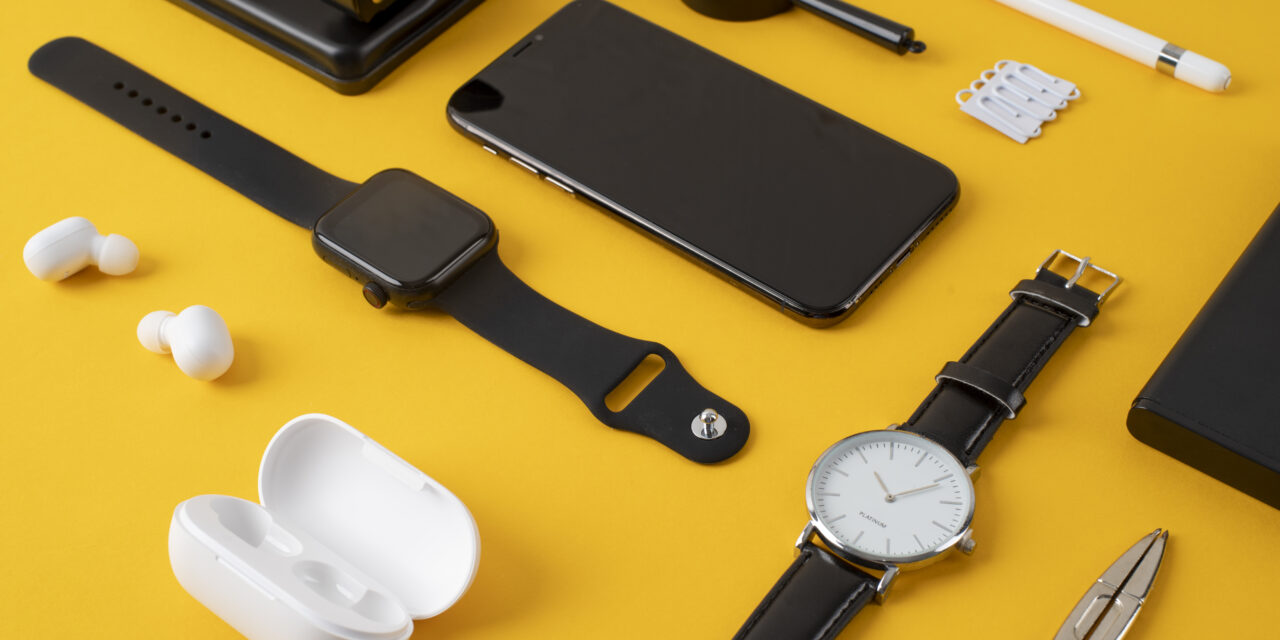
At the heart of this smart living revolution are web applications. While IoT devices and wearables collect vast amounts of data and perform specific functions, it’s the web app that often serves as the intuitive control panel, the data visualizer, and the central hub for managing these diverse technologies.
Imagine controlling your smart thermostat, checking your security cameras, or even preheating your oven – all from a single, user-friendly web interface accessible from any device with an internet connection. This accessibility is a key advantage of web apps over native applications, offering flexibility and ease of use without requiring multiple downloads or installations. To learn more about optimizing web experiences, check out our insights on Progressive Web Apps, a key trend in modern web development.
IoT: The Eyes and Ears of Your Smart Environment
The Internet of Things refers to the network of physical objects embedded with sensors, software, and other technologies for the purpose of connecting and exchanging data with other devices and systems over the internet. In a smart living context, IoT devices are the “eyes and ears” of your environment. For a deeper dive into the foundational concepts, NIST provides comprehensive information on the Internet of Things (IoT).
From smart lighting systems that adjust to your mood, to intelligent refrigerators that track your groceries, and security systems that alert you to unusual activity, IoT devices collect real-time data about your surroundings. Web apps then take this raw data and present it in an understandable format, allowing you to monitor, analyze, and control your smart home from anywhere in the world. For instance, a web app might display your energy consumption patterns from smart plugs, helping you identify areas for saving. Learn more about the broader concept of Home Automation and its evolution.
Wearable Technology: Personalizing Your Health and Habits
Wearable technology, such as smartwatches, fitness trackers, and even smart clothing, brings the “smart” concept directly to your body. These devices continuously monitor personal metrics like heart rate, sleep patterns, activity levels, and even stress indicators. Investopedia offers a great overview of Wearable Technology and its applications.
The integration with web apps is crucial here. Wearables collect the data, but web apps are where this personal information is aggregated, analyzed, and presented in actionable insights. A fitness web app might visualize your daily steps, calorie burn, and sleep quality, offering personalized recommendations for improvement. A health-focused web app could track chronic conditions, remind you to take medication, or even share data securely with your healthcare provider. This personalized feedback loop empowers individuals to take a more proactive role in managing their health and achieving their wellness goals.
The Synergy: How They Work Together
The true power of smart living emerges when web apps, IoT, and wearables work in synergy. Consider these examples:
- Automated Home Routines: Your wearable detects you’re waking up, signaling the web app to trigger your smart coffee maker (IoT) to start brewing, and your smart lights (IoT) to gradually brighten.
- Enhanced Security: An IoT motion sensor detects unusual activity, sending an alert to your web app. You can then use the web app to view live camera feeds (IoT) and even remotely lock doors.
- Personalized Wellness Environments: Your fitness tracker (wearable) notes a high stress level. Your web app then suggests a calming routine, automatically dimming your smart lights (IoT) and playing soothing music through your smart speaker (IoT).
- Energy Efficiency: Your smart thermostat (IoT) learns your preferences through your web app usage and adjusts heating/cooling based on your presence detected by your wearable’s location data.
This seamless integration showcases why web applications are among the top web development trends for 2025, especially when combined with emerging technologies.
The Future is Connected
As technology continues to advance, the integration between web apps, IoT, and wearables will become even more sophisticated. We can anticipate:
- More Predictive Capabilities: AI-powered web apps will learn from your habits and environmental data to anticipate your needs with greater accuracy, leading to truly seamless automation. This is where the potential of AI apps for beginners truly shines, making complex integrations more accessible.
- Enhanced Interoperability: Devices from different manufacturers will communicate more effortlessly, creating a truly unified smart ecosystem.
- Hyper-Personalization: Web apps will offer even more tailored experiences based on granular data from wearables and IoT, from custom health plans to dynamic home environments. Solutions like Google Workspace are already paving the way for integrated productivity.
- Increased Security and Privacy: As these systems become more integral to our lives, robust security measures and transparent privacy controls will be paramount. Understanding data privacy in the age of IoT is crucial for developers and users alike.
Smart living, powered by the intelligent integration of web apps, IoT, and wearable technology, is not just about convenience; it’s about creating more efficient, healthier, and responsive environments that adapt to our individual needs. Whether you’re considering free vs. paid web apps for your smart home setup or just looking for the best free web apps for productivity in 2025, the connected ecosystem is rapidly evolving to meet diverse needs. The future of living is undeniably connected.
FAQs
Q1: What is the Internet of Things (IoT) in simple terms?
A1: The Internet of Things (IoT) refers to everyday physical objects embedded with sensors and software that allow them to connect and exchange data over the internet. Think of it as giving “brains” to ordinary things so they can communicate and be controlled remotely.
Q2: How do web apps facilitate smart living?
A2: Web apps act as the central control and visualization hubs for smart living. They allow users to monitor data from IoT devices and wearables, control smart home devices, and receive personalized insights, all through an accessible, browser-based interface.
Q3: What kind of data do wearable technologies collect for smart living?
A3: Wearable technologies typically collect personal health and activity data, including heart rate, sleep patterns, steps taken, calories burned, stress levels, and sometimes even body temperature or blood oxygen levels.
Q4: Can I control all my smart devices from one web app?
A4: Ideally, yes. Many smart home platforms aim to integrate various IoT devices and wearables into a single web app or ecosystem. However, interoperability can still vary between different brands, though the trend is towards greater compatibility.
Q5: What are the main benefits of integrating web apps with IoT and wearables?
A5: The main benefits include enhanced convenience through remote control and automation, improved health and wellness monitoring with personalized insights, increased energy efficiency in homes, and stronger security through real-time alerts and monitoring.
Q6: What security concerns should I be aware of with smart living devices?
A6: Key security concerns include data breaches, unauthorized access to your home network or devices, and privacy issues related to the collection of personal data. It’s crucial to use strong, unique passwords, enable two-factor authentication, keep device firmware updated, and understand the privacy policies of your smart devices and apps.
Q7: Are Progressive Web Apps (PWAs) important for smart living?
A7: Yes, PWAs are increasingly important. Their ability to offer app-like experiences directly from a browser, including offline capabilities and push notifications, makes them ideal for managing smart devices without needing to download dedicated native apps for every service.